Featured
The Ultimate Guide To No-Cost Accessible Financial Litera...
Legal Changes Affecting Financial Recovery After Divorce:...
What to Understand During the Debt Forgiveness Experience...

4 Simple Techniques For Ways to Take Action with Your Deb...

Is Debt Forgiveness Make Sense for Most People Can Be Fun For Everyone
Table of Contents
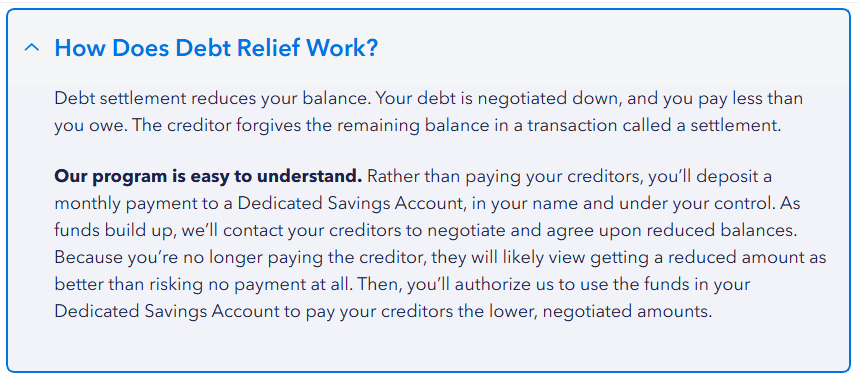
That liberates cash in the short term, and you may have 3 to four years to conserve towards the negotiation quantity. Really dangerous to credit rating ratings, largely because of missed repayments and an adverse "settled" mark that can remain on your credit score report for as much as 7 yearsMay be just alternative if other options (financial obligation consolidation, equilibrium transfer bank card, debt mercy) aren't possibleTypically calls for a fee to the third celebration, which might counter some or all of the cost savings from financial obligation settlementMay help you prevent bankruptcy if you've missed out on a number of paymentsNot all financial institutions collaborate with debt settlement companies Financial debt forgiveness might be appropriate for you if you are experiencing a financial difficulty that makes it virtually difficult to pay down your debt balances.
With a DMP, you make one month-to-month repayment to the credit history therapy firm. Those funds are then dispersed to lenders of your unsafe financial debts, such as bank card and installment car loans. The company collaborates with your creditors to minimize rate of interest or forgo fees, yet some creditors might reject such concessions.
It can aid you pay down financial debt if you're able to safeguard a lending rate that's reduced than the ordinary price of the accounts you're consolidating. You must avoid from racking up debt on those recently gotten rid of accounts or your financial debt could expand even greater.
:max_bytes(150000):strip_icc()/debtrestructuring.asp_final-a64fcb2c01704710bc55061e4304ce7d.png)
These cards commonly supply a 0% passion initial duration of approximately 21 months. That offers you a lot of time to eliminate or significantly minimize your balance while making interest-free payments. For some individuals facing insurmountable financial obligation, bankruptcy may be the only way to stop collection procedures and legitimately settle their financial debts.
The Basic Principles Of Is It Worthwhile to Invest in Professional Debt Counseling
You might need it if your lender or a collection firm ever before tries to gather on the debt in the future. When a lending institution forgives $600 or more, they are required to send you Type 1099-C.
Financial debt mercy or settlement usually hurts your credit scores. Anytime you clear up a financial obligation for less than you owe, it may appear as "resolved" on your debt record and affect your credit report for 7 years from the date of negotiation. Your credit scores can additionally drop significantly in the months causing the mercy if you fall back on repayments.
The Buzz on How Credit Report Review Services : Professional Credit Analysis : APFSC : APFSC Providers Work with Clients
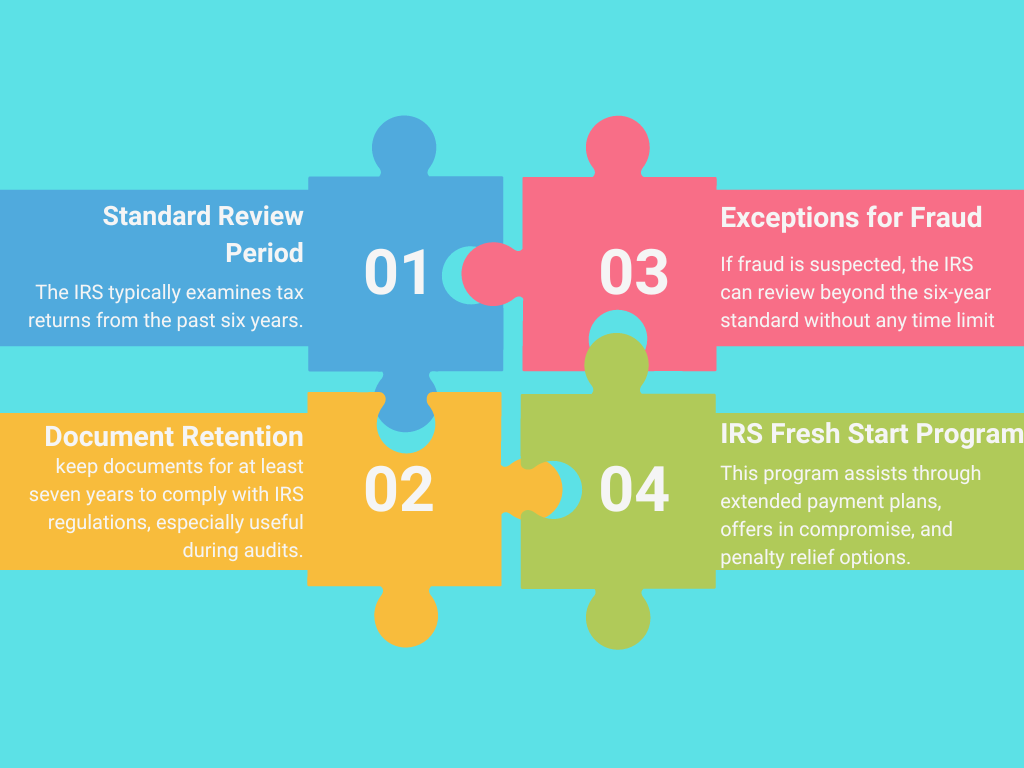
Tax financial obligation compromise programs Tax obligation financial debt happens when the amount of taxes you owe surpasses what you have paid. This situation often arises from underreporting earnings, not submitting returns on schedule, or discrepancies found during an internal revenue service audit. The consequences of accumulating tax financial debt are severe and can include tax liens, which offer the internal revenue service a lawful case to your residential or commercial property as security for the financial obligation.
Greater interest prices on available credit history. Salaries and Financial institution Accounts internal revenue service can impose (confiscate) incomes and checking account to please the debt. Decreased revenue and disturbance of essential economic processes. Home Seizure In extreme cases, the IRS can confiscate and sell home to cover the debt. Loss of valuable properties and possible displacement.
Social Stigma Facing legal activity from the Internal revenue service can carry social preconception. Work Opportunities A poor credit report rating due to tax financial obligation can restrict employment chances. Government Benefits Tax debt may impact qualification for government benefits, such as Social Safety And Security and Medicaid.
An Unbiased View of Assessing Debt Forgiveness Organizations in Today's Market
The OIC thinks about a number of variables, including the taxpayer's revenue, costs, possession equity, and capability to pay. Successfully bargaining an OIC can be complicated, calling for a comprehensive understanding of the IRS's standards and a solid disagreement for why your deal aligns with your capability to pay. It is necessary to note that not all applications are approved, and the process needs detailed financial disclosure.
The IRS analyzes your general economic scenario, including your revenue, expenses, property equity, and capacity to pay. You must also be current with all filing and settlement demands and not be in an open bankruptcy proceeding. The IRS also considers your conformity history, assessing whether you have a record of prompt declaring and paying taxes in previous years.
Excitement About What to Watch For While Evaluating Forgiveness Services
The application procedure for an Offer in Compromise entails several in-depth steps. You have to finish and submit IRS Type 656, the Deal in Concession application, and Form 433-A (OIC), a collection details declaration for people. These types need comprehensive financial details, consisting of information about your earnings, financial obligations, expenditures, and properties.
Back taxes, which are overdue tax obligations from previous years, can significantly raise your total internal revenue service financial obligation if not resolved without delay. This financial obligation can build up rate of interest and late repayment charges, making the initial quantity owed a lot bigger in time. Failure to repay taxes can result in the internal revenue service taking enforcement actions, such as providing a tax obligation lien or levy versus your residential or commercial property.
It is vital to address back tax obligations as soon as possible, either by paying the total owed or by organizing a payment strategy with the IRS. By taking positive actions, you can avoid the accumulation of extra interest and charges, and avoid much more hostile collection actions by the IRS.
One usual factor is the idea that the taxpayer can pay the total either as a swelling amount or with a repayment strategy. The IRS additionally considers the taxpayer's income, expenditures, property equity, and future earning possibility. If these factors suggest that the taxpayer can pay for to pay greater than the provided amount, the IRS is likely to turn down the deal.
10 Easy Facts About Prevalent False Beliefs Regarding Bankruptcy Explained
Dealing with Internal revenue service debt can be intricate and daunting. Tax obligation experts, such as Certified public accountants, tax attorneys, or signed up agents, can supply important support.

Table of Contents
Latest Posts
The Ultimate Guide To No-Cost Accessible Financial Literacy Workshops Available to You
:max_bytes(150000):strip_icc()/DebtRelief-BestDebtReliefCompaniesImage-65c32a5716014aeca3a4e55477cb8130.png)
Legal Changes Affecting Financial Recovery After Divorce: How Specialty Counseling Helps You Untangle Joint Debt Availability - An Overview
What to Understand During the Debt Forgiveness Experience - Truths
More
Latest Posts
The Ultimate Guide To No-Cost Accessible Financial Literacy Workshops Available to You
What to Understand During the Debt Forgiveness Experience - Truths